Your Questions, Answered
We’ve assembled the most frequently asked questions about Eversense into one place. Got a question that you can’t find the answer to? Contact us.
Go to About > My Account to see the email address that was used to log into the mobile app.
Remote Monitoring is an optional feature that allows you to invite friends and family to view your CGM data using Eversense® NOW, a separate mobile app they download to a compatible mobile device.
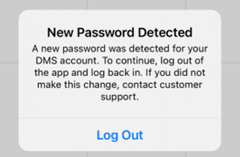
The Eversense® NOW App will periodically check to confirm your log in information has not been changed via your Eversense® DMS account.
If you change your Eversense® account password from your DMS log in screen or the DMS Change Password page, you must log out of the Eversense® NOW App and log back in using the new password. If the passwords do not match functionality of the Eversense® NOW app will be unavailable.
A compatible smartphone for Android or Apple iPhone® or iPod® or iPad® that has Bluetooth Smart (or Bluetooth Low Energy). The Eversense® App also works with the Apple Watch®.
For a list of compatible devices and operating system versions, please go to https://www.eversensediabetes.com/compatibility
The Eversense® My Circle refers to the group of people you invite to remotely view your Eversense® CGM data. To join the Circle, those you invite must accept the invitation they receive from you. They will need to download and install the Eversense® NOW Mobile App in order to see your glucose data.
Still have questions?
The Eversense team is dedicated and ready to provide the answers and support you need. Simply click the link below.
The Eversense® 365 Continuous Glucose Monitoring (CGM) System is indicated for continually measuring glucose levels for up to one year in people (18 years and older) with diabetes. The system is indicated for use to replace fingerstick blood glucose (BG) measurements for diabetes treatment decisions. Fingerstick BG measurements are required for calibration one time a week after day 13, and when symptoms do not match CGM information or when taking medications of the tetracycline class. The sensor insertion and removal procedures are performed by a health care provider. The Eversense 365 CGM System is a prescription device; patients should talk to their health care provider to learn more.
For important safety information, see bit.ly/eversensesafety
Eversense, Eversense 365 Continuous Glucose Monitoring, and the Eversense logo are trademarks of Senseonics, Incorporated. All other trademarks are properties of their respective owners and are used solely for informative purposes. No relationship or endorsement should be inferred or implied.
Apple Watch® is a product of Apple, Inc., and may be separately purchased from an authorized Apple retailer. Apple Watch is not included with the Eversense CGM System. Android is a trademark of Google LLC.
MKT-001692 Rev 1


 Call My Eversense Specialist Now
 Schedule a Call